

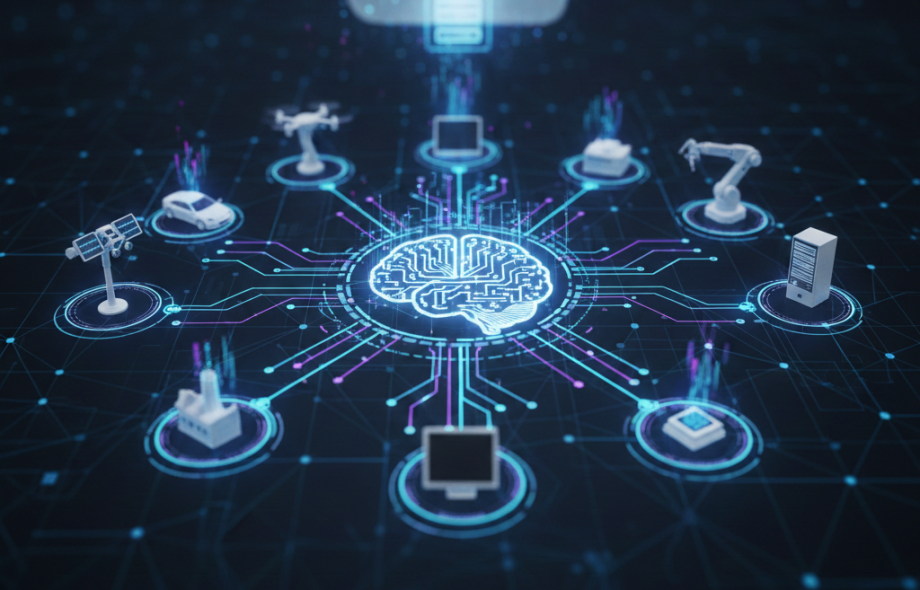
In the fast-paced world of technology, one term that has been making waves in recent years is edge computing. This innovative approach to data processing is changing the game for businesses and individuals alike, offering faster response times, reduced latency, and enhanced security. So, what exactly is edge computing and how is it transforming the way we handle data?
Edge computing refers to the practice of processing data closer to the source of its generation, rather than relying on a centralized data center. This means that instead of sending all data to a cloud server for processing, computations are done on local devices or edge servers located closer to where the data is being generated. This approach has significant benefits, especially in environments where real-time data analysis and decision-making are critical.
One of the key advantages of edge computing is its ability to reduce latency. By processing data closer to the source, edge devices can respond faster to requests, leading to quicker decision-making and improved user experiences. This is particularly important in applications such as autonomous vehicles, where split-second decisions can mean the difference between life and death.
In addition to reduced latency, edge computing also offers increased security and privacy. By processing data locally, sensitive information can be kept close to the source, reducing the risk of data breaches or unauthorized access. This is particularly important in industries such as healthcare and finance, where data privacy and security are paramount.
Furthermore, edge computing is enabling the deployment of new technologies such as Internet of Things (IoT) devices and artificial intelligence at the edge. This opens up a wide range of possibilities for industries such as manufacturing, logistics, and smart cities, where real-time monitoring and decision-making are essential.
Overall, edge computing is revolutionizing the way we process and analyze data, offering new levels of speed, security, and efficiency. As technology continues to evolve, edge computing will play an increasingly important role in the digital landscape, shaping the way we interact with and utilize data in the years to come.
 :
https://www.pinterest.com/xceltec0192/
:
https://www.pinterest.com/xceltec0192/