

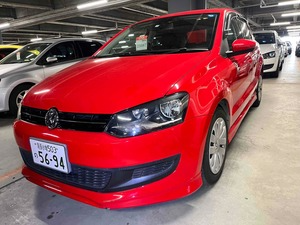
Buying a reconditioned car from Japan can feel simple and safe. These cars look clean. They run well. They also come with clear checks and reports. But it is still a big buy, and you want to make sure you pick the right car.
Many people feel confused when they buy a reconditioned car for the first time. They ask, “What should I check?” and “How do I trust the dealer?” This is normal. In the middle of this learning process, many also look at Imported car prices 2025 Pakistan to understand what is fair and what is not. When you know what to check, everything becomes easier. You stay in control, and you make a smart choice.
This guide will help you understand what to look for before you buy. These steps come from real users, real checks, and real buying experience. They will help you avoid stress, save money, and enjoy a car that lasts many years.
Why Many Buyers Choose Reconditioned Cars from Japan
Japan has strict car rules. Car owners must follow a full check system. They change parts on time. They fix small problems fast. This helps keep the car in great shape.
Most Japanese cars also have strong build quality. Brands like Toyota, Honda, Suzuki, and Nissan are famous for long life. Even older cars feel smooth on the road. They age slowly because they are cared for well.
Another reason people buy reconditioned cars is the price. You get a clean car that feels new, but you pay less. For many families, this makes the choice easy.
What You Need to Check Before You Buy
Check the Auction Sheet
The auction sheet is very important. It is the full story of the car. It tells you the grade, the body marks, the repairs, and the mileage. It also tells you what the inspector saw during the check.
A good grade means the car is in clean condition. A lower grade is not always bad, but you must understand why.
Key Parts of the Auction Sheet
Look at these items:
-
Mileage
-
Body marks
-
Repair notes
-
Interior grade
-
Engine comments
Why This Is Important
The sheet helps you feel safe. You know what you are buying. There are no surprises later. This builds trust and protects your money.
Check the Mileage
Mileage tells you how much the car was used. Lower mileage is good. But even higher mileage cars can be fine if they were serviced well.
What Is Good Mileage?
Many buyers like cars under 80,000 km. But 90,000 or 100,000 km is also okay if the car has clean history.
Watch for Fake Mileage
Some sellers change the numbers. This is rare with trusted importers, but you should still check.
To stay safe, compare:
-
Auction sheet
-
Service reports
-
Inspection notes
Check the Car Body
The car body shows signs of past use. Look for dents, scratches, rust, or paint changes. Some marks are fine. But big repairs can mean a past accident.
Using the Auction Diagram
The diagram shows marks using letters and numbers. A1 or A2 means small scratches. U1 means a small dent. W2 means the paint is not smooth.
When Body Work Is Not a Problem
Small repairs are normal. They do not harm the car’s life. But you should be careful with R-grade cars. These cars had bigger repairs.
Ask for More Photos
A good dealer will show clear photos. These help you understand the car better. You can see the real condition before the car arrives.
Check the Engine Condition
The engine is the most important part. A clean engine means long life and smooth driving.
What to Ask For
Ask the dealer to share:
-
Engine start video
-
Idle sound
-
Drive sound
-
Smoke check
-
Leak check
Signs of a Healthy Engine
The engine should start fast. The sound should be soft and even. There should be no smoke. No shaking. No strange noise.
Get a Mechanic Check
Some importers share a small mechanic report. This shows belt wear, engine note, and basic condition. This helps you trust the car more.
Check the Interior
The inside of the car shows how the owner used it. A clean interior means careful use.
Look at the Seats and Dashboard
Seats should not have big tears. The dashboard should not have cracks.
Test the Features
Check the:
-
AC
-
Touch screen
-
Back camera
-
Power windows
-
Steering buttons
A video test is great if you buy online.
Check the Car Papers
A reconditioned car comes with many papers. These papers help you trust the car’s history.
Important Papers
You should get:
-
Export certificate
-
Auction sheet
-
Condition report
-
Inspection proof
Why Papers Matter
These papers show the car is real and legal. They protect you from scams. They also help you in customs and registration.
Check the Price Before You Buy
Price is a key part of the buying choice. A very cheap car may have problems. A fair price shows the car matches its grade.
In the middle of this price check, many buyers also compare japanese car price in pakistan to see if they are paying the right amount. This helps them understand if the deal makes sense based on the car’s grade, mileage, and condition.
Why Price Comparison Helps
When you compare prices, you learn the real value. You can spot honest dealers. You can also avoid overpaying.
Final Thoughts Before You Pick Your Car
A reconditioned car from Japan can be a great buy. But you must check the auction sheet, the mileage, the body, the engine, the inside, and the papers. These steps help you stay safe. They protect your money and your peace of mind. When you follow these checks, you get a car that feels fresh, drives smooth, and lasts long.
If you want to explore clean and trusted cars, you can visit Nobuko Japan website where they share clear checks, honest reports, and real support. This helps buyers feel safe and ready to make the right choice.
 :
: